Application Security & AI Assurance

Find security gaps. Build confidence in what you ship.

I help teams uncover security risks in applications and AI systems, verify fixes, and build safeguards that catch recurring problems before release.

You work directly with me. We agree on the scope before I start.

BOUNDARY / 001ACCESS CONTROL
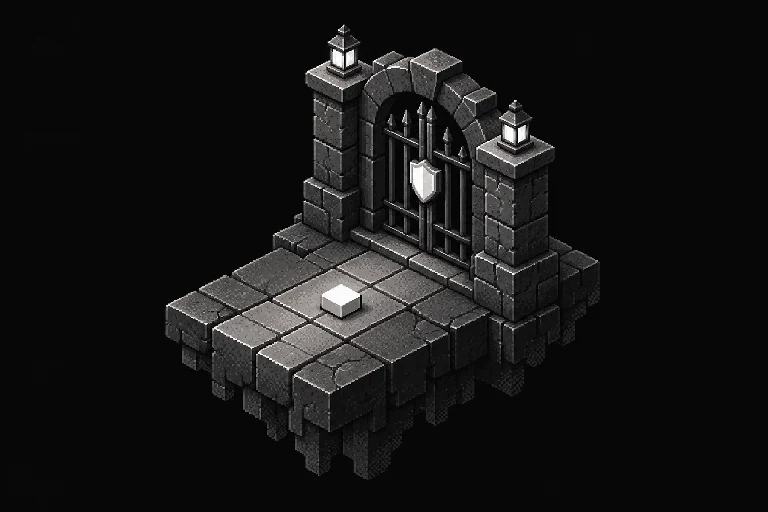
Monochrome pixel art of an access checkpoint: a request passes through a permission gate to an open tenant vault, while a second tenant vault stays locked.

Request → Permission check

✓ Tenant A / Allowed× Tenant B / Blocked
Synthetic demonstration, not a test of your system.

A tenant check allows an own-tenant request and denies a cross-tenant request.

01 A scope we agree on
02 Findings you can reproduce
03 Next steps you can use

One starting option:
a focused review.

One agreed application scope and critical workflow. Selected access-control, tenant-isolation where applicable, and data-exposure checks. Validated findings, reproduction evidence, prioritized recommendations, and a walkthrough.

$1,000 for the first two suitable clients; US$2,000 standard. 16 delivery hours including intake and reporting; 14-calendar-day turnaround. The clock starts after written scope approval and required access are ready. Missing access or client decisions pause delivery; we confirm a revised date together.

A scoped review, not a comprehensive pentest, certification, or compliance assessment. See the focused review terms.

Security capabilities

Understand the risks.
Build a safer release.

I work with teams on security reviews, AI assurance, and engineering safeguards. Founder-led SaaS, established product teams, agencies, and internal-application teams are examples. Fit depends on the problem, application or workflow, access readiness, authorization, and available review time.

All three capabilities are available. Choose a goal to explore a starting point.

01 / Application security

Security reviews

A scoped assessment of the application and workflows we agree on, with evidence-backed findings, priorities, and a walkthrough. Selected checks can cover access control, tenant isolation where applicable, and data exposure.

Discuss a security review

02 / AI systems

AI security and assurance

Agreed adversarial checks of prompts, retrieval, data boundaries, agent permissions, and AI-generated implementation risks. You get the observed behavior, evidence, coverage limits, and recommended next steps.

Discuss AI assurance

03 / Safer delivery

Security engineering guardrails

Selected automated security checks, CI integration, ownership guidance, and supporting security context. We agree on the important boundaries, useful checks, and how your team will maintain them.

Discuss delivery guardrails

How I work

AI can help investigate.
I still verify the finding.

You work directly with me. I use AI tools to inspect code, develop test ideas, and investigate possible weaknesses, but I review the output and check the evidence before anything becomes a finding.

From first call to handoff

Fit call → written scope and quote → authorized review → report and walkthrough. Bring your stack, deadline, and broad goals to the fit call. Please don’t send passwords, keys, or customer data through ordinary email.

01

Agree on the risk.

We define the application, critical workflow, roles, and data boundaries first. I use the relevant source and configuration to build test cases that stay inside that authorized scope.

02

Test the boundaries.

AI suggestions give me places to investigate, not conclusions. I inspect the controls and try to reproduce selected access-control and data-exposure issues with authorized test accounts and synthetic data where possible.

03

Verify what happened.

Before I prioritize a finding, I check the steps, expected behavior, actual result, and impact. I also call out anything that remains unconfirmed or untested. An automated result alone does not prove a system is secure.

Testing safeguards

We set the boundaries.
I stay inside them.

Before I test anything, we agree on the environment, access, and how I may handle your code and data. Those rules apply to the entire review, including any AI-assisted work.

01 / Authorization

No testing without clear permission.

We confirm the application, workflow, test accounts, and suitable environment before I begin. If the scope changes or an action could have a meaningful impact, I ask for your approval first.

02 / Data handling

Share only what the review needs.

We use synthetic data where possible and agree on a secure way to share the relevant source and configuration. During intake, we also decide what code or data may be processed with AI tools. Please don’t email passwords, API keys, or customer data.

03 / Human oversight

I own the final judgment.

I review the AI output and the evidence behind every reported finding. Implementation and production changes need separate authorization, and the handoff lists what I tested, what I did not, and where uncertainty remains.

What you get

Enough detail to understand
the problem and fix it.

I explain what I observed, why it matters, and what I recommend next. You’ll also see what I tested and where uncertainty remains.

Monochrome pixel-art evidence desk with an audit ledger, a terminal, and a magnifying glass over documented findings.

Review handoff / Illustrative structure

The evidence.
And what comes next.

OBSERVATIONAffected components and behavior
REPRODUCTIONConditions, steps, and evidence
RECOMMENDATIONA prioritized path to resolution
COVERAGETested areas and remaining uncertainty
ILLUSTRATIVE STRUCTURE · NOT A CLIENT REPORT

Read the synthetic sample report →

Findings your team can reproduce

Each confirmed issue includes the affected components, reproduction steps, and supporting evidence with sensitive details removed.

A fix list in risk order

I explain which gaps matter most so your team can decide what to address first.

A walkthrough with room for questions

We go through the results, coverage, and next steps together. Remediation, retesting, and security regression automation are separate follow-on work.

Synthetic example · not a client assessment

Explore the evidence.
See what remains uncertain.

Example Workspace: 2 confirmed fictional findings and 1 needs-validation finding. Severity totals: 1 high, 1 medium, 1 low; the low finding’s impact is unvalidated. Four named reviewed areas and four not-tested areas keep coverage explicit.

After your review

Fix the gaps.
Keep the lessons.

Choose the follow-up work your team needs. Remediation, retesting, security context, guardrails, and broader reviews each receive their own scope and quote.

01

Remediation and retesting

We can scope implementation support, then separately rerun agreed checks against the changed application. The handoff distinguishes resolved issues, remaining gaps, and anything not retested.

02

Security Context Sprint

Document the architecture, threat model, security rules, and review criteria your team can use when developing and reviewing changes.

03

Secure SDLC Guardrails

Add selected repeatable security checks and CI gates, with ownership guidance. We confirm tools, access, implementation, licensing, and ongoing maintenance before work begins.

One starting option

A focused review.
A clear scope.

We’ll choose an application scope and critical workflow that fit the review time and your goals. The pilot is one way to begin; AI assurance, guardrails, and broader reviews can be scoped separately.

The clock starts after written scope approval and required access are ready. Missing access or client decisions pause delivery; we confirm the revised date together.

A scoped review, not a comprehensive pentest, certification, or compliance assessment. Follow-on work has its own scope and quote.

Focused review · First 2 suitable clients

$1,000 USD

  • One agreed application scope and critical workflow
  • Selected access-control, tenant-isolation where applicable, and data-exposure checks
  • Validated findings, reproduction evidence, prioritized recommendations, and a walkthrough
  • 14-calendar-day turnaround
  • 16 delivery hours including intake and reporting
Book a 15-minute fit callEmail me instead

Standard price: US$2,000. We confirm the final scope, readiness, timing, and terms before I start. There is no online checkout.

Who does the review

I’m Kiefer Land.
I verify before I report.

At TCWGlobal, I moved from API and role-based access control (RBAC) testing into automated application-security verification and AI assurance for HR and payroll software. I bring that experience to every review, then explain the evidence and next steps in plain language.

M.S. CybersecurityB.S. Cybersecurity

Before we start

A few honest answers
about the limits.

Does my app need AI features?

No. Security reviews and engineering guardrails apply whether or not your application uses AI. AI-specific checks need to be part of the agreed scope. A focused review may include them within its 16 delivery hours; additional work is quoted separately.

What access do you need?

I need read access to the relevant source and configuration, an authorized test environment, and accounts for the roles and tenants we are reviewing. We use synthetic data where possible and agree on a secure access method during intake. Please don’t email passwords, API keys, or customer data. Read the testing safeguards.

Will this certify us for enterprise customers?

No. This is a scoped application security review, not a certification, compliance assessment, or comprehensive penetration test. The findings can help with remediation and customer conversations, but they do not establish compliance or guarantee security.

Can you help with security context and CI guardrails?

Yes. A Security Context Sprint documents the threat model, security invariants, and review criteria we agree on. Secure SDLC Guardrails can add selected pull-request or CI checks, reporting rules, and ownership guidance. We scope both services separately and confirm implementation, tool access, licensing, and ongoing ownership before work begins.

Can you review the whole application?

Not within this pilot. We agree on the components, checks, environment, and delivery hours, then prioritize the highest-risk areas together. I document what I did not test, and we can scope a broader review separately.
Tell me what you’re shipping

Let’s figure out where
a review would help.

Send me your stack, deadline, and broad goals. We can discuss a security review, AI assurance, or delivery guardrails and agree on a useful starting scope. Please don’t send passwords, keys, or customer data through ordinary email.